
I remember the first occasion I played at a digital blackjack table with actual cash on the line. The mechanics and feel looked just like the free-play version I had practiced on, Slottio Casino, but it felt entirely different. Real money casino games keep the same rules and interfaces you might know from demo mode, then add one key element: financial risk and reward. To comprehend them, you have to understand the gameplay and the systems that move your money, verify fairness, and settle outcomes in a controlled environment.
1. The Core Rozdíl Between Demo režimem and Real Money Mode
On a platform like Slottio Casino, every casino game se nachází ve dvou paralelních verzích. Režim zdarma neboli demo runs on virtual credits with no monetary value. Můžete točit a slot for as long as you want, prohrát všechny kredity, and reload the page to get a fresh balance. Rozhraní, mechanika válců, a výplatní tabulka jsou stejné v obou režimech. Jediný podstatný rozdíl je význam kreditů a co nastane po skončení hry.
Switch to real money mode a ty stejné kredity se promění v a direct reflection of your deposit. Roztočení v hodnotě 0.20 credits now takes 0.20 z vašeho reálného účtu. Výherní kombinace add withdrawable funds k vašemu zůstatku. That change rovněž aktivuje several background processes jež v demu neuvidíte: ověření platby, sledování relací kvůli regulatorním kontrolám, a prověrky proti fraudům tiše běžící on every transaction. Hra funguje stejně, ale finanční mechanismus kolem ní se zapíná.
Psychologický posun je stejně důležitá jako ta technická. I have watched players treat the same odds differently když jde o reálné peníze. Stanovení sázek je záměrná místo experimentální. Výběr her moves toward titles s RTP, které si dohledali. The entertainment stays, but it sits alongside real financial decisions. Tato kombinace vymezuje tuto kategorii a odlišuje ji od čistě rekreační hry.
5. Licensing, Security, and Why They Count Before You Gamble
A casino for real money functions under a permit from a gaming regulator. The regulator sets guidelines on player fund segregation, how frequently RNGs undergo testing, procedures for resolving disputes, and responsible gambling tools. The license is not just decoration. It means the operator agrees to audits, keeps specified financial reserves, and faces sanctions or withdrawal if it does not pass inspections. Authorities like the MGA, the UKGC, and the Curaçao Gaming Control Board oversee numerous companies, each with a varying standard of enforcement.
Protection systems safeguards financial data moving between your device and the gambling site’s servers. Transport Layer Security encryption, the same protocol that safeguards internet banking, jumbles every data transfer so hacked data becomes incomprehensible. Reliable operators also maintain user balances apart from operational accounts. That separation means your funds sits in a secure account debt collectors will not be able to readily touch if the company runs into monetary difficulties. I regard this difference essential when selecting where to deposit.
ID verification, commonly known as Know Your Client, fulfills two functions. It confirms you meet the age and location rules, and it blocks someone else from cashing out cash with your account information. You typically upload a government-issued ID, a current household bill or bank statement showing your location, and at times a picture of the debit card you used. The initial cashout usually triggers the process. Completing it early, even immediately after signing up, can make later payouts significantly quicker.
Part 5.1 Tools for Responsible Betting Integrated into the Site
Regulated providers have to supply features for regulating the time and money you invest. Deposit caps let you limit daily, each week, or per month deposits. Session reminders appear after a specified time to help you keep tabs on duration. Self-exclusion features suspend your membership for a selected period, from several months to forever. These are not minor additions hidden in submenus; authorities demand them to be accessible and functional. Utilizing them is a privilege, not optional.
6. Device Support and the Real Money Experience on Mobile
Real money games do not demand a separate app on each platform. Many current casino software works directly in browsers on mobile through HTML5. The identical slot or live dealer blackjack that loads on your desktop adjusts its layout to a mobile display by itself. Touch controls substitute mouse clicks. The logic of the game, RNG, and payout systems remain identical across devices. Not a thing in the real money equation alters when you switch from laptop to phone.
Native apps, where offered, offer extra ease. They keep login credentials securely, send alerts for offers or tournament beginnings, and occasionally allow biometric login through a fingerprint scan or facial scan. The essential gameplay continues to function in a browser. I tell players to test browser performance on their device before getting an app. A stable internet connection is far more important for streams of live casino than whether the interface launches through an app icon or a URL.
One real-world issue with mobile gaming is the cashier interface. Depositing through a mobile browser should feel as secure as on desktop. Check for the same padlock icon in the address bar. Withdrawal requests generally use the cashier on mobile, even though sending KYC paperwork may be easier on a wider screen where you can photograph or scan them with clarity. The money pipeline does not separate between devices; it is one unified system reached through various screen sizes.
The third The Real Money Game Categories You Will Encounter
Real money casino games are divided into various distinct groups, each having its own math and decision-making burden. Slots dominate every lobby by pure numbers. They vary from classic three-reel formats with a single payline, to video slots with five or more reels and dozens of paylines, to progressive jackpot titles where a fraction of every stake feeds a pooled prize that can grow to substantial money. The draw is pure chance, with no strategy required beyond choosing your stake and your game.
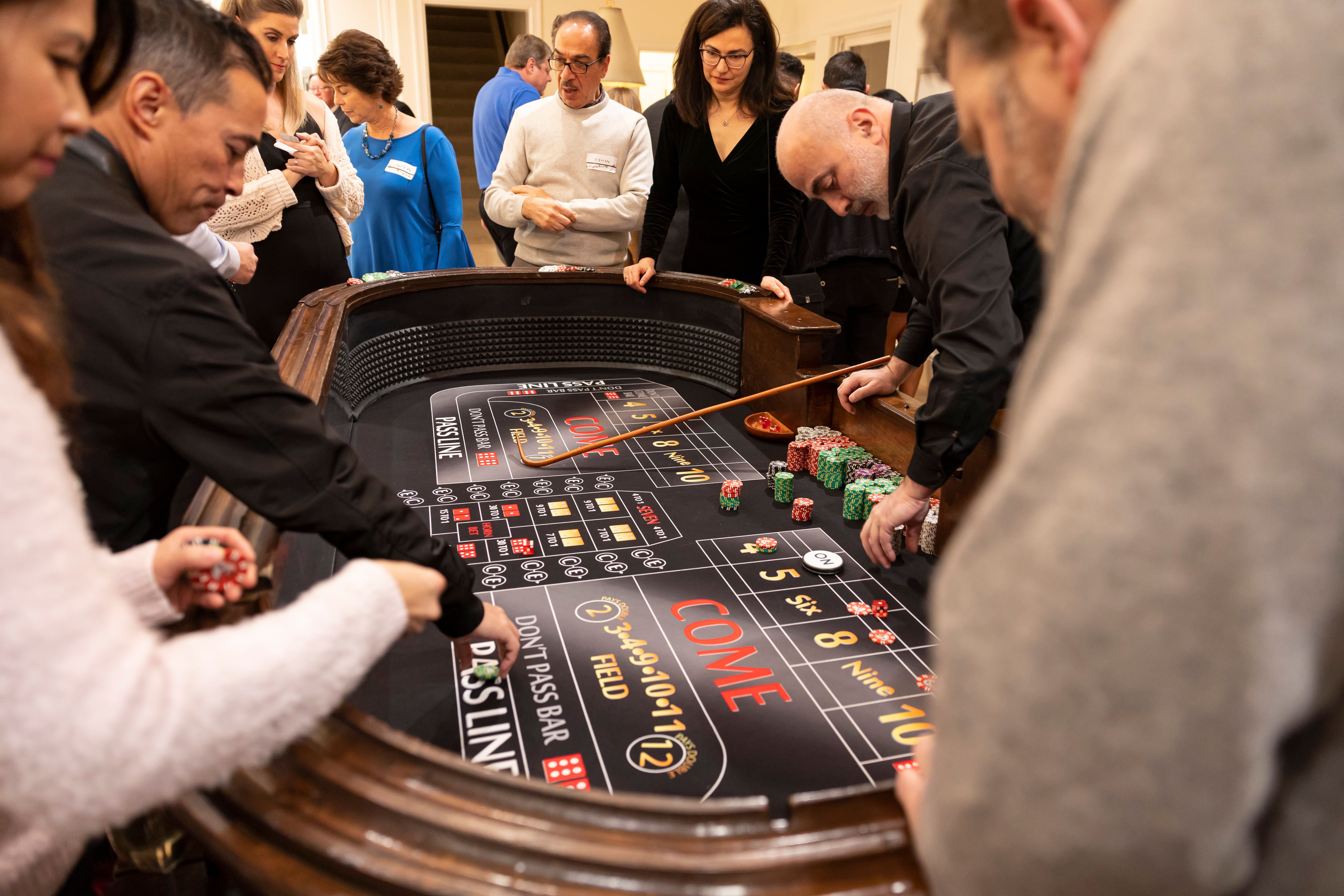
Table games bring skill elements that shift expected returns according to your choices. Blackjack is the most obvious example. Basic strategy charts tell you the statistically optimal move for every combination of your hand and the dealer’s upcard. Adhere to those charts precisely it.cointelegraph.com and the house edge narrows to fractions of a percent. Deviate by instinct and the edge widens noticeably. Roulette operates differently: you choose risk-reward ratios by placing chips on single numbers, groups, or colors, but no decision modifies the built-in house edge, which is at 2.70% for European single-zero wheels.
Live casino games bridge software and physical reality. A human dealer in a studio handles real cards or spins a physical wheel, while cameras broadcast every action to your screen. You put bets through a digital interface, but the outcome originates from physical mechanics instead of an RNG. This class encompasses live blackjack, live roulette, live baccarat, and game-show-style formats like Dream Catcher or Monopoly Live that blend wheel spins with augmented reality graphics.
Video poker and specialty games complete the picture. Versions like Jacks or Better or Deuces Wild operate on five-card draw mechanics, and their paytables enable you to determine an exact optimal strategy. Some specialty options resist straightforward grouping: virtual scratch cards, bingo variants, and keno all draw numbers and can suit players who want short sessions with fixed-cost entries.
4. What Takes Place When You Add Funds: Deposit Options, Handling, and Maximums
Once you opt to play for real money, the key question becomes how to send funds into your account. Modern platforms typically support several channels. E-wallets like Skrill or Neteller move funds almost instantly after you confirm the transaction. Credit and debit cards, mostly Visa and Mastercard, remain common and complete deposits quickly, though some issuing banks block gambling transactions based on regional policies. Bank transfers operate everywhere but can take hours or even days, depending on intermediary processing schedules.
Prepaid vouchers and voucher systems like Paysafecard let you to deposit without sharing bank details. You get a voucher for cash at a retail outlet, enter the code on the casino’s cashier page, and the funds appear immediately. Cryptocurrency options, where available, add another layer of speed and pseudonymity, with blockchain confirmations typically clearing within minutes. Every method comes with its own minimum and maximum limits, and I recommend checking those before settling on one channel for regular use.
Withdrawal processing times matter more than deposit speed. E-wallets generally provide the fastest turnaround after internal approval, often within hours. Card withdrawals can take two to five business days because of banking network clearing cycles. Bank transfers can go further, sometimes to seven business days. Every platform conducts an internal review period before releasing funds. This is not obstruction; it is compliance with anti-money laundering rules that demand verifying gameplay and identity before large outbound transfers leave the system.
2. The manner in which Random Number Generators and Return to Player Percentages Shape Every Outcome
Every licensed real money game functions with a Random Number Generator, or RNG. The software generates thousands of unforeseeable number sequences each second, even when no one is playing. When you click spin or call for a card, the system grabs the latest number from that stream and translates it into a specific result. For a slot, that determines which symbols appear in each reel position. For blackjack, it decides the next card out of the virtual shoe.
Regulated casinos have their RNGs examined by independent laboratories whose whole business depends on credibility. I mean organizations including iTech Labs, GLI, and eCOGRA. They conduct billions of simulated rounds and match the actual distribution of results against the mathematically expected frequencies. If a slot indicates a cherry symbol should appear 5% of the time on reel three, the testers check that over millions of spins the observed frequency stays within a fraction of a percent of that number. Certification indicates the RNG satisfied statistical randomness tests that no human could tell apart from true randomness.
Player Return Rate, or RTP, derives immediately from how the RNG is programmed. A 96% RTP does not mean you personally get back 96% of every deposit. It means that across all players and all spins on that game over its lifetime, total wagers and total payouts land at that ratio. The 4% gap is the house edge, which keeps the casino running, pays staff, and funds new games. Individual sessions can swing wildly. I have seen a 96% RTP slot deplete a balance in thirty minutes and triple it in ten. The percentage describes the long arc, not your evening.
2.1 Variance: The Underrated Counterpart to RTP
RTP indicates how much the game pays back over the long run. Volatility tells you how rough the ride gets. Low-volatility games distribute frequent small wins that smooth out a session. You might land a winning combination every fourth or fifth spin, so the balance holds fairly stable. High-volatility games concentrate wins into rare but large events. You can spin forty times and see nothing, then trigger a bonus round that pays fifty times your stake in a single sequence.
2.1.1 Aligning Volatility to Your Session Goals
I suggest low-volatility titles if your chief goal is prolonged playtime with managed drawdown. High-volatility games match sessions where you tolerate the chance of swift loss in exchange for a opportunity at a much larger multiplier. No approach is mathematically better, because the RTP governs long-term expectation in any case. The question is how you want to navigate the probabilistic journey from initial balance to final result.
7. Bonus Offers, Playthrough Requirements, and the Terms That Controls Them
Nearly every real money venture starts with a bonus deal. A matched deposit bonus gives you extra funds in proportion to your first deposit, such as a 100% match up to a set amount. Free spins packages attach a fixed number of spins to specific slot titles, often awarded in batches over several days. Cashback offers return a percentage of net losses over a defined period as real, sometimes withdrawable, funds. Each type changes your starting balance, but none comes without conditions.
Wagering requirements are at the center of those conditions. A 35x wagering requirement on a bonus means you must place bets totaling 35 times the bonus amount before any bonus-derived winnings become withdrawable. Take a $100 bonus: you need to wager $3,500. Different game categories count unequally toward that target. Slots typically contribute 100%, so every dollar wagered counts fully. Table games like blackjack or roulette might apply 10% or even 0%, a detail I often see players miss until a withdrawal attempt halts.
7.1 Seeing Past the Headline Number
Maximum bet limits during bonus play, game eligibility restrictions, and time windows introduce more structure. A common rule caps bets at $5 per spin or hand while a bonus is active. Going over that cap can void the bonus and any resulting winnings. Time limits, often 30 days, imply you must complete the wagering or lose the bonus. I consider these terms as part of the cost-benefit analysis before accepting any offer. A generous headline amount paired with a short completion window and restricted game contributions can be worth less than a modest offer with player-friendly terms.
7.2 The Separation Between Bonus Funds and Real Balance
Your account balance separates into two pools once a bonus kicks in. The cash balance, drawn from your deposit, usually plays first. The bonus balance is locked until you meet wagering requirements, or in some setups only triggers after the cash balance runs out. Withdrawal requests typically cancel any active bonus and eliminate the associated funds. Knowing which pool covers a given spin tells you what a win actually means for your withdrawable total. This mechanical detail influences session strategy more than many newcomers recognize.
Nejčastější otázky
Do I need a separate account for practice mode and real cash mode?
No. One account gives you access to both types. The majority of games allow you to toggle between free play and real cash betting with a switch or distinct button in the game lobby. The platform records the two modes independently, so your practice balance never merges with real funds.
How long does a withdrawal require on average?
After the internal review period, e-wallet withdrawals often complete within 24 hours. Card payments take two to five business days, and bank transfers can stretch to seven. The main variable is internal processing time, which depends on identity confirmation. Accounts with verified KYC typically go through review more quickly.

What occurs if my network connection fails during a real cash spin?
The game server completes the round on its own once your bet gets to it. If your connection fails mid-spin, the result is already set server-side. When you reconnect and open the game, it presents the completed result and adjusts your balance to reflect. No wager disappears because of a dropped connection.
Is it possible to try all games in practice mode before wagering real money?
Many slots and digital table games offer demo versions. Live casino games, because they feature real dealers and studio time, hardly ever have free-play modes. Slots, video poker, and RNG table games almost always let you try the mechanics and volatility without any financial commitment.
What is meant by “pending period” indicate on a withdrawal status?
The pending period is the timeframe where you can still undo the withdrawal and send funds back to your gaming balance. It functions partly as a responsible gambling feature that stops impulsive cashouts during tilt, and partly as an operational buffer. Once pending status clears, funds proceed to the payment processor and reversal is not possible.
Real money casino games succeed or fail on transparency. Once you comprehend what flips the switch between free credits and withdrawable cash, how the math behind RNG and RTP establishes the boundaries of possible outcomes, and what governs the speed of money moving both ways, the experience shifts from opaque gambling to informed risk-taking. The games themselves do not vary between modes. Your relationship with each spin or hand changes. My strongest recommendation is to regard the terms page, the payment timelines, and the volatility label on a game as essential reading rather than fine print. That habit alone separates a session where you control the variables you can control from one where you just see numbers move.